UHI North, West and Hebrides are working with Oxfam to develop ecotourism in Cambodia
Researchers at UHI North, West & Hebrides’ Centre for Recreation and Tourism Research (CRTR). Dr Lalith Welamedage and Dr Steve Taylor, have started to work with Oxfam and the Royal University of Phnom Penh on a two-year initiative to support the development of community-based ecotourism in protected areas in Cambodia.
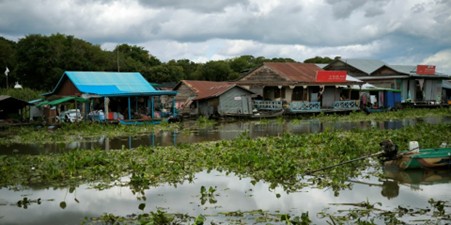
Helping to conclude a wider eight-year programme, the aim of the project, undertaken for the Cambodian Ministry of the Environment and funded through the World Bank, is to improve the management of protected areas and enhance ecotourism in the Cardamom Mountains and Tonle Sap region.
Working with other local partners, in the first year of the project CRTR’s role will be focussed on two elements: capacity building and accessing international markets. A locally undertaken needs analysis and an understanding of worldwide good practice, including experience of Scottish community-based ecotourism, will unpin the development of a continuous professional development programme. CRTR will deliver the programme in-country to a local partner, whose role it will be to implement the course to community leaders and social enterprises, developing, enhancing and ensuring the long-term sustainability of ecotourism experiences offered in the protected areas.
CRTR will also research global tourism trends with a focus on sustainable and community-based tourism in South and Southeast Asia, to identify emerging consumer trends and high-potential visitor markets. Along with interviews of outbound travel operators and tour companies, this will help Cambodian ecotourism providers to understand key markets for effective promotion of visitor experiences.
CRTR Director, Steve Taylor, commented: “It’s really exciting to be working with Oxfam and all the other local partners on this project - community-based ecotourism has so much potential to support the creation of local livelihoods in rural areas. It’s also a great opportunity for UHI to develop relationships with academics and practitioners in Southeast Asia and to help to create meaningful impact through its applied research.”